Orange County modified e-bike accident claims are becoming more important in 2026 for one simple reason: many crashes no longer involve a basic low-speed electric bicycle. Some involve bikes that were altered to go faster, removed from their original class, or pushed so far beyond the legal definition of an e-bike that they start to look more like electric motorcycles. That changes how lawyers, insurers, parents, and injured riders need to look at the case.
In Orange County, that matters because e-bikes are everywhere. Teens ride them to school, adults use them for short commutes, and families often buy them without fully understanding how modifications affect safety and liability. A standard electric bicycle already moves faster than many people expect. Once the bike is modified, the crash forces can increase, the legal issues can multiply, and the insurance company will often start building a blame narrative immediately.
This is also why Orange County modified e-bike accident claims deserve their own discussion instead of being lumped into a normal bicycle case. The rider may have severe orthopedic injuries, a driver may still have failed to yield, a seller may have provided unlawful modification parts, or a battery and electrical system may raise product liability questions. In other words, one collision can create several legal paths at once.
If you have already read our articles on juvenile e-bike accidents in Orange County and e-bike and e-scooter accidents in Orange County, this post takes the next step by focusing on modification, speed, compliance, and evidence preservation after a serious crash.
Why Orange County Modified E-Bike Accident Claims Are Getting More Attention
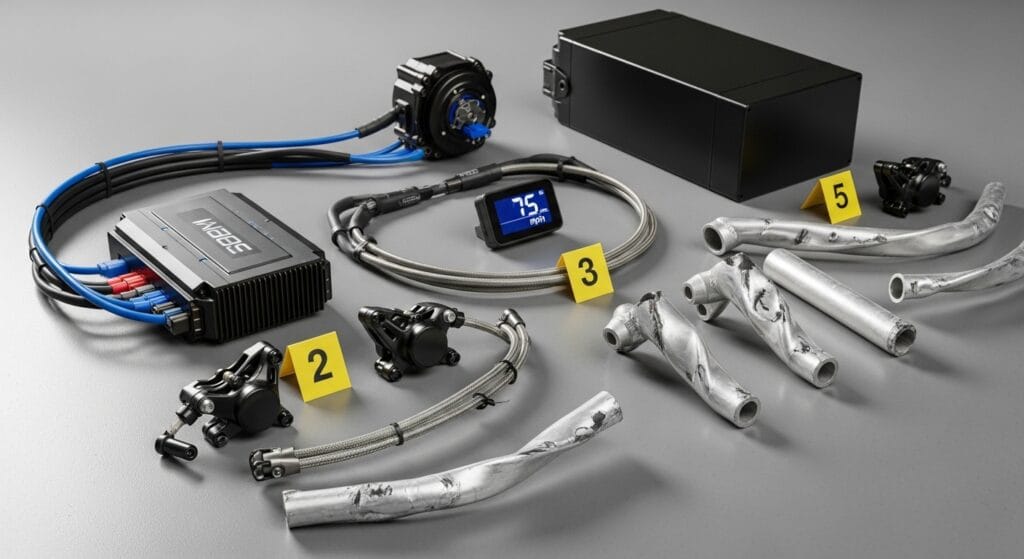
Not every e-bike case involves a modified vehicle. But when a bike has been altered, the facts change fast. A family may think they bought a normal e-bike, only to learn after the crash that the device can reach motorcycle-like speeds, has a removed limiter, or uses aftermarket parts that changed the motor’s performance. That can affect how fault is argued, how the vehicle is classified, and whether more than one party shares responsibility.
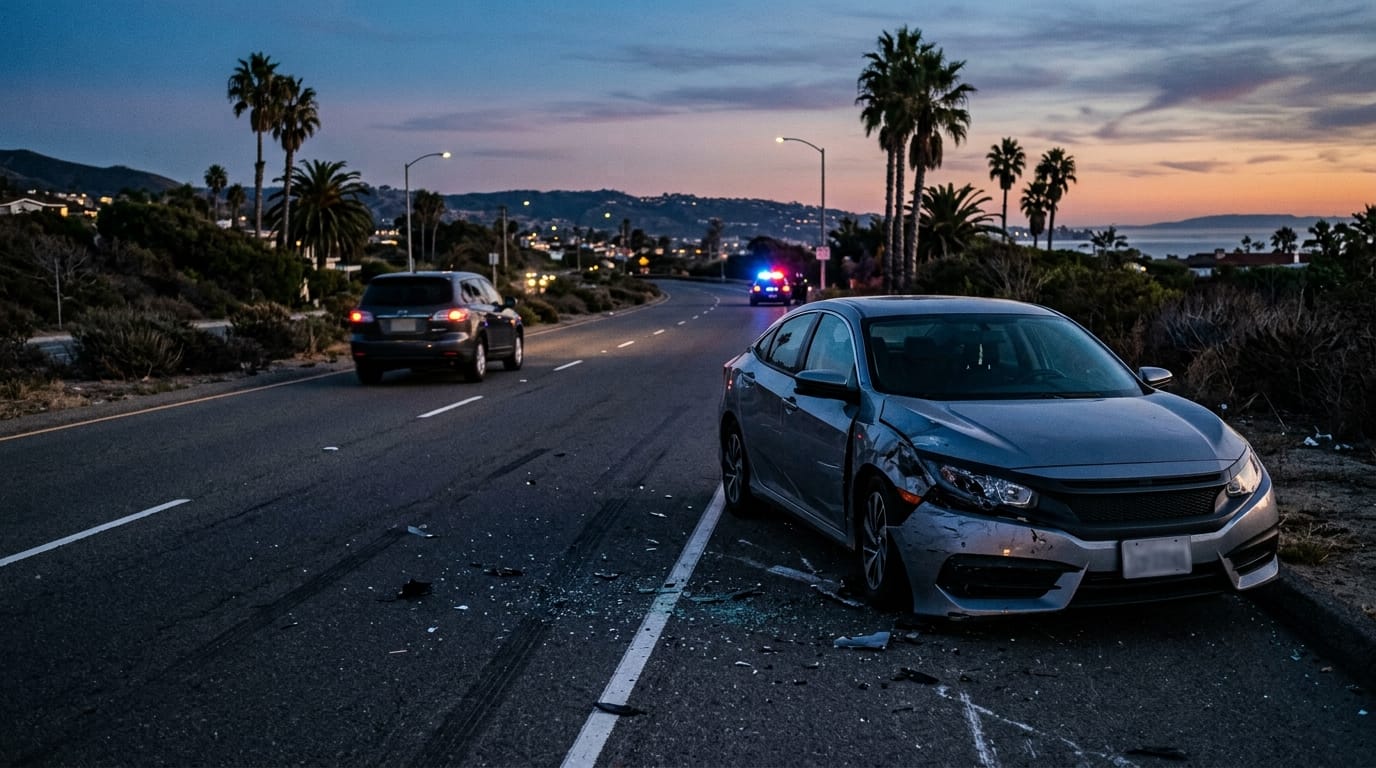
Orange County modified e-bike accident claims are also getting more attention because local roads were never designed around large numbers of fast, lightly protected riders weaving between cars, driveways, and crosswalks. A rider can get seriously hurt in a lane-change collision, a driveway conflict, or a left-turn crash. A pedestrian can also suffer major injuries if struck by a heavier, faster modified bike.
What changed in 2026?
California’s legal environment tightened. That does not automatically decide fault in any one case, but it does raise the stakes. If a bike no longer fits the legal definition of an e-bike, insurers and defense lawyers will use that fact aggressively. They may argue the rider was operating an unlawful vehicle, that parents ignored obvious risks, or that a seller supplied illegal modification equipment. At the same time, those arguments do not excuse a negligent driver, a defective product, or a dangerous roadway condition.
Why modification matters after a crash
A speed modification can push a bike outside the class system people usually rely on. Once that happens, the case may involve more than ordinary bike-versus-car fault. You may need to examine the original manufacturer’s specifications, aftermarket parts, app settings, charger compatibility, seller statements, warning labels, and even social posts showing the bike’s speed capability. This is why strong Orange County modified e-bike accident claims depend on technical evidence early, not just witness recollections.
Why battery compliance matters too
Modification cases can overlap with product liability. Some riders or owners use third-party batteries, chargers, or electrical components that were never meant to work together. That can create fire risks, sudden power loss, braking issues, or electrical failure before impact. In some cases, the crash is only part of the story. The equipment itself may become a central piece of evidence. That is one reason this topic also connects naturally to your recent article on lithium-ion battery fire injuries and related claims.
How Liability Works in a Modified E-Bike or E-Motorcycle Crash
Liability in these cases is rarely simple. Many people assume the modified rider will automatically lose. That is wrong. California comparative fault rules still matter. A rider may have made mistakes and still have a valid claim if a driver failed to yield, opened a door into traffic, turned across the rider’s path, drove distracted, or ignored a visible hazard. The key is to separate emotion from evidence.
For example, imagine a driver in Orange County makes a fast left turn in front of a teen riding a modified e-bike. The insurer may focus on the bike’s speed and equipment first. But that does not erase the driver’s duty to keep a proper lookout and yield when required. A serious lawyer will investigate both sides of the crash instead of accepting the first version told by the carrier.
Who may be legally responsible?
Depending on the facts, responsibility may fall on one or several parties. The driver of a car or SUV may still be the main defendant. In another case, the owner of the bike may have allowed an unsafe rider to use it. A parent may face questions about supervision if a minor used a clearly overpowered machine. A shop, reseller, or online seller may come under scrutiny if it marketed unlawful speed-modification parts. And when a component fails, the manufacturer or distributor may become part of the case as well.
This is one reason to build internal authority around the topic cluster. You can naturally point readers to serious vehicle injury claims in Orange County and to broader claim education across your car accident category. The legal theme is the same: severe crashes often involve layered liability, not one easy answer.
Evidence that can make or break the claim
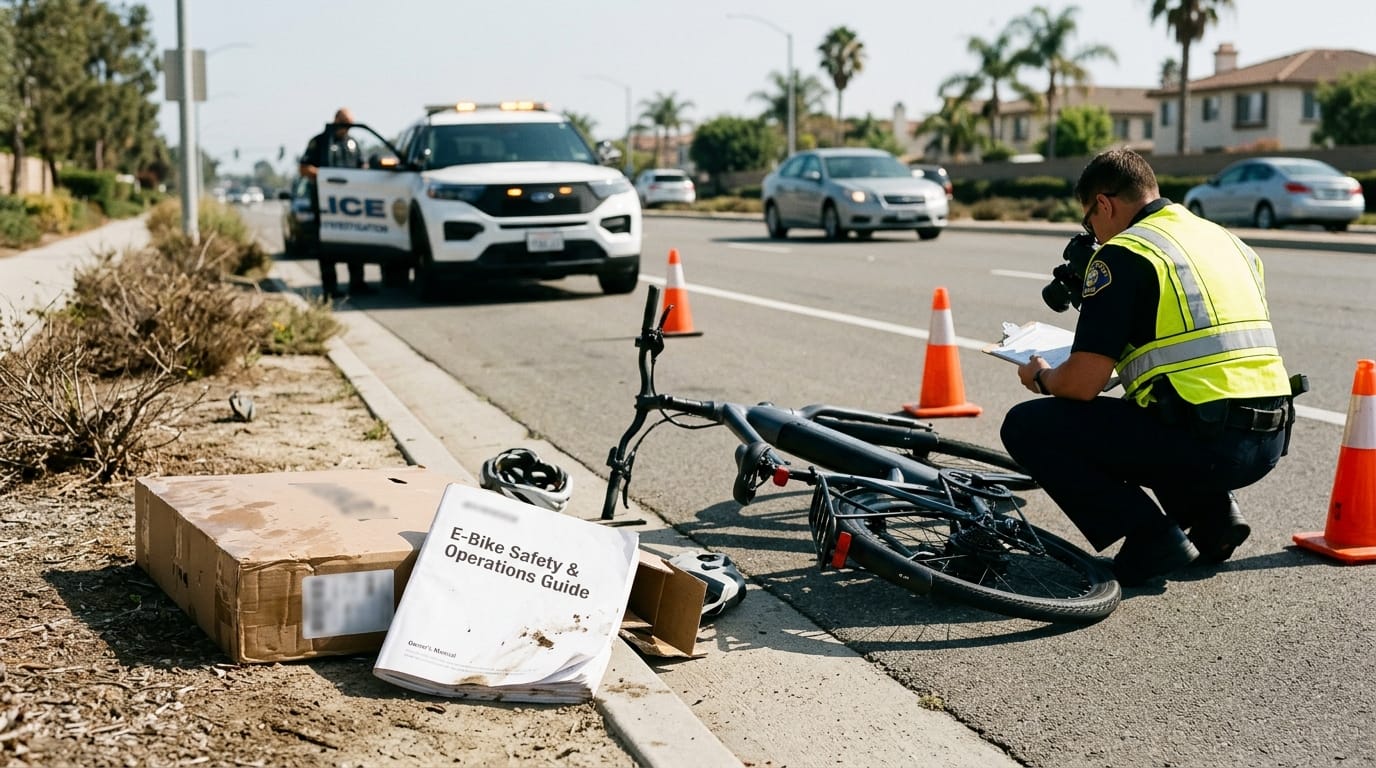
Start by preserving the bike exactly as it was after the crash. Do not repair it. Do not swap batteries. Do not delete apps or ride-history data. Take photos of the frame label, controller, display, charger, tires, brakes, helmet, and all visible damage. Save receipts, online listings, text messages, and any modification instructions. Request surveillance footage quickly. Get the police report. Pull emergency-room records and follow-up treatment records. In modified-bike cases, small technical details often end up controlling the whole dispute.
What compensation may be available?

When the injured person proves fault, damages may include emergency care, hospitalization, surgery, follow-up visits, physical therapy, medication, lost income, future treatment, pain and suffering, and emotional harm. A younger rider may also face school disruption, sports limitations, or long-term mobility issues. Families dealing with these losses should not underestimate the value of documenting the day-to-day impact of the injury. A consistent recovery journal often helps show what the medical chart alone does not capture.
Insurance also matters more now than many people realize. California’s higher minimum auto liability requirements changed the baseline conversation in many vehicle-related claims, but serious injuries can still outrun available coverage fast. That is especially true when a modified e-bike collision leads to brain injury, fractures, or permanent impairment. In that situation, identifying every responsible party matters. A weak investigation leaves money on the table.
Common mistakes families make early
The biggest mistake is treating the crash like a minor bike mishap. The second is speaking too freely with the insurance company before the facts are clear. The third is letting the bike disappear, get repaired, or get stripped for parts. Families also hurt good cases when they assume modification ends the analysis. It does not. Orange County modified e-bike accident claims still turn on causation, road conduct, product condition, and comparative fault. A modified bike complicates the case. It does not automatically destroy it.
The bottom line is straightforward. These are not simple bicycle cases anymore. They are often hybrid cases involving traffic law, product issues, rider conduct, insurance strategy, and serious injury valuation. For that reason, Orange County modified e-bike accident claims need fast evidence preservation, careful legal framing, and a realistic view of how the defense will attack the facts. The earlier the case is investigated, the better the chance of protecting the full value of the claim.
For general safety guidance and official road-use rules, readers can also review the California DMV bicyclist safety page.