Distracted driving claims in Orange County are becoming more important as phones, apps, screens, and in-car technology compete for a driver’s attention. A driver may glance at a text, check navigation, adjust music, accept a delivery order, or look at a rideshare app. That short distraction can cause a serious crash.
Orange County roads already create enough risk. Drivers deal with freeway traffic, beach congestion, school zones, shopping centers, delivery vehicles, and busy intersections. When a driver looks away for even a few seconds, they may miss a stopped car, pedestrian, cyclist, motorcycle, or traffic signal.
In 2026, local and statewide agencies continue to focus on distracted driving. The Orange County Sheriff’s Department announced enforcement efforts for California’s hands-free cell phone law during Distracted Driving Awareness Month. The California Highway Patrol also reminded drivers that phones and electronic devices remain a serious safety concern.
This guide explains how distracted driving claims work, what evidence can prove fault, and what injured people should do after an Orange County crash involving phone, app, or screen distraction.
Why Distracted Driving Claims Matter in Orange County
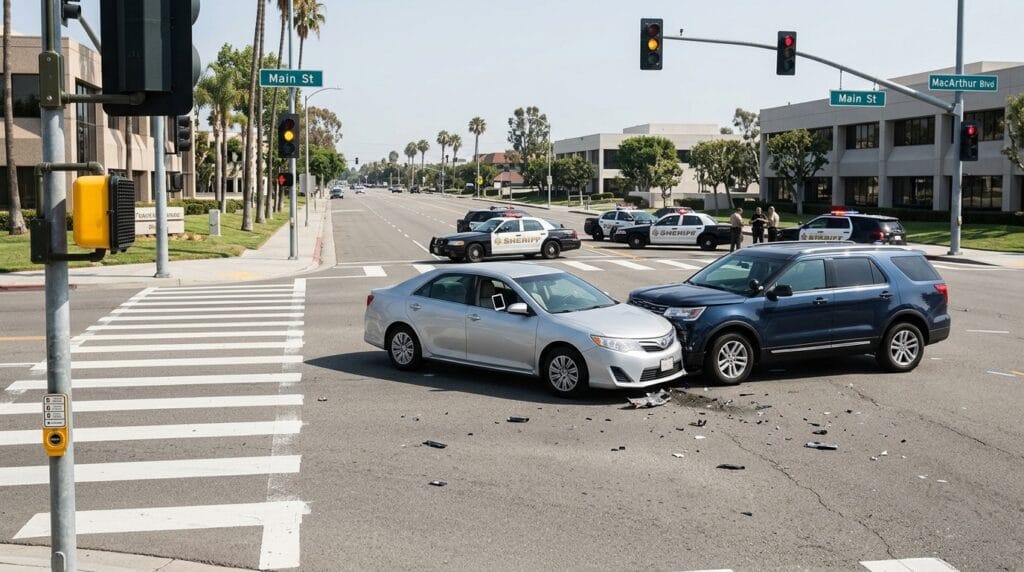
Distracted driving is not limited to texting. A driver can lose focus while using GPS, changing music, reading notifications, checking social media, eating, talking to passengers, or looking at a vehicle screen. Anything that pulls the eyes, hands, or mind away from driving can become dangerous.
California law does not allow drivers to hold a phone or electronic communication device while driving. That includes talking, texting, or using an app. A second violation within 36 months can also add a point to the driver’s record. For official guidance, readers can review the Orange County Sheriff’s Department page on Distracted Driving Awareness Month.
National data also shows why this problem matters. The National Highway Traffic Safety Administration reports that distracted driving killed thousands of people and injured hundreds of thousands more in 2024. These numbers show that distraction is not a small mistake. It is a major crash risk.
Common Types of Driver Distraction
Phone use remains the most obvious problem. A driver may text, scroll, answer a call, or open an app. However, many crashes involve less obvious distractions. Drivers may stare at navigation, touch a dashboard screen, check a food delivery order, or read a rideshare notification.
Visual distraction happens when the driver looks away. Manual distraction happens when the driver removes a hand from the wheel. Mental distraction happens when the driver stops focusing on traffic. Many phone-related crashes involve all three at once.
These details matter in distracted driving claims. An insurance company may argue that the driver only looked away for a moment. That argument is weak when the crash shows delayed braking, no evasive movement, or a failure to notice obvious traffic.
Phones, Apps, and Dashboard Screens
Modern vehicles create new evidence issues. A phone may show calls, texts, location data, app activity, or screen use. A vehicle may store navigation history, braking data, speed data, or infotainment activity. Dashcams and nearby cameras may show the driver looking down before impact.
Victims should not assume this evidence will stay available forever. Phones can get wiped. App data can disappear. Video can get overwritten. A lawyer may need to send preservation letters quickly to protect key records.
Why “I Did Not See You” May Help the Claim
Drivers often say they never saw the victim. That statement does not always help them. In many cases, it raises a bigger question. Why did the driver fail to see what was directly ahead?
If traffic was stopped, a pedestrian was in a crosswalk, or a cyclist was already in view, distraction may explain the failure. Scene photos, witness statements, and video can help show that a careful driver should have noticed the danger.
Where Distracted Driving Crashes Often Happen
Orange County has many crash zones where attention matters. Intersections create major risk because drivers turn, stop, merge, and watch signals at the same time. A distracted driver may turn left without seeing oncoming traffic or turn right without checking for pedestrians.
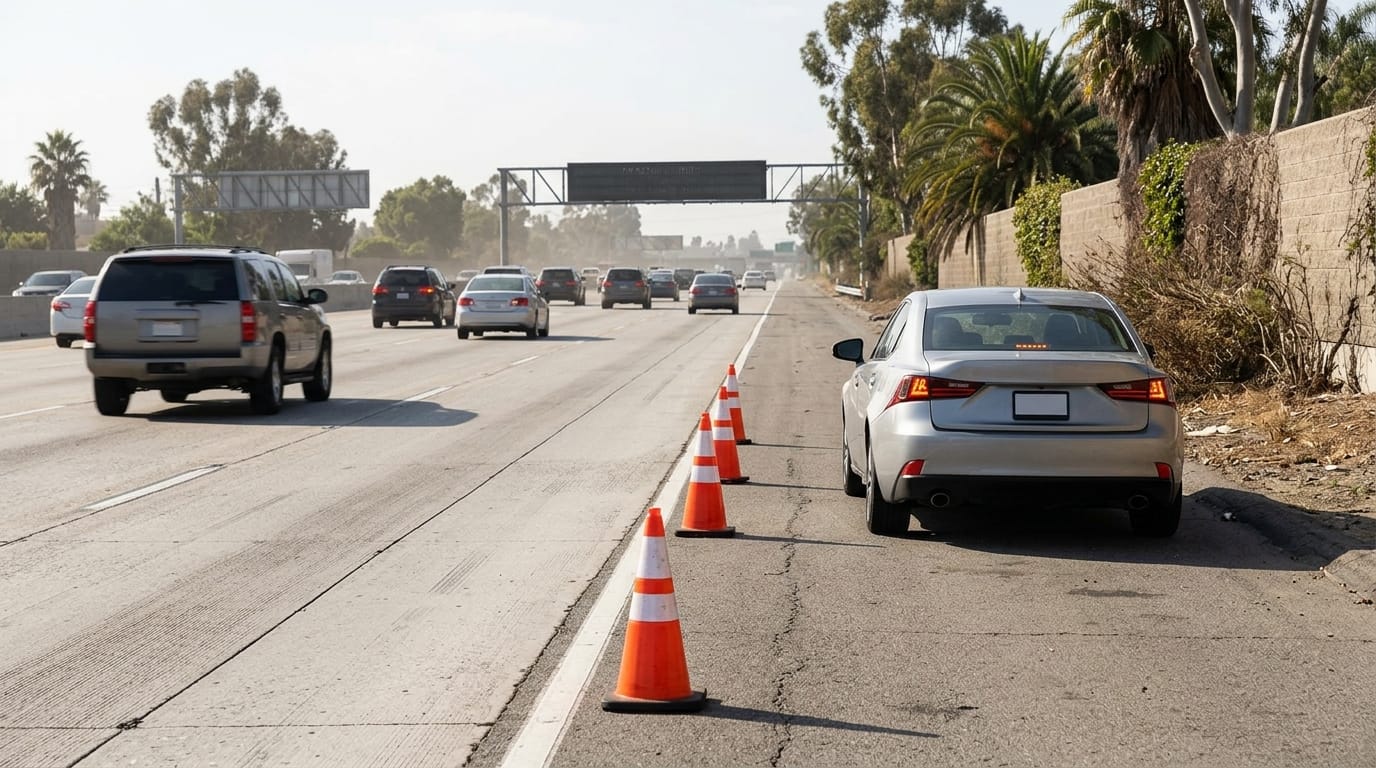
Freeways create another problem. A driver looking at a phone may not notice sudden braking on the 5, 405, 55, 57, 73, or 91. A rear-end crash can happen fast when traffic slows and the driver reacts late.
Parking lots and shopping centers also create serious injury risks. Drivers may look for spaces, check phones, back out quickly, or rush through crosswalks. Pedestrians often have little protection in these areas.
Pedestrians, Cyclists, and E-Bike Riders Face Higher Risk
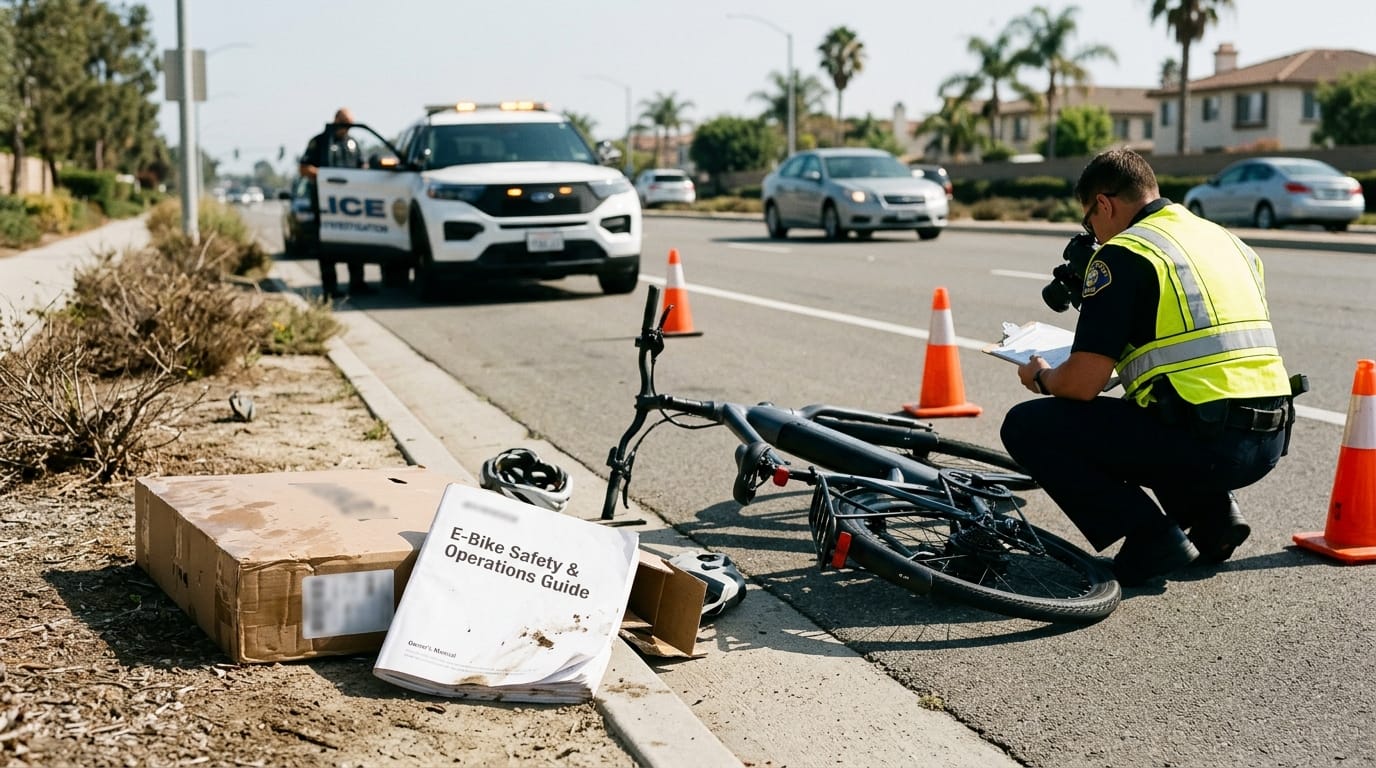
Distracted drivers can seriously injure people outside vehicles. A pedestrian, cyclist, or e-bike rider has no airbag or seat belt. Even a low-speed impact can cause fractures, head injuries, knee damage, back pain, or long-term mobility problems.
If your crash involved a crosswalk or poor visibility, the site’s guide on pedestrian accidents in Orange County may help. It explains how visibility, right-of-way, and scene evidence can affect an injury claim.
How Evidence Can Prove a Distracted Driving Claim
Strong evidence can make or break distracted driving claims. The injured person must show more than suspicion. They need facts that connect distraction to the crash. This may include phone records, video, witness statements, vehicle data, police observations, and crash reconstruction.
Start with the scene. Take photos of vehicle positions, damage, road markings, traffic signals, skid marks, debris, lighting, and nearby cameras. If the other driver admitted phone use, write down the exact words as soon as possible.
Look for witnesses. A person in another car may have seen the driver looking down. A pedestrian may have noticed the driver holding a phone. A passenger may also know what happened before impact.
What Victims Should Do After the Crash
Call 911 if anyone feels pain, feels dizzy, cannot move safely, or shows signs of injury. Get medical care right away. Some injuries appear hours or days later. Early records help connect your symptoms to the crash.
Report the collision to law enforcement. Tell the officer if you saw phone use, app use, screen use, or delayed braking. Do not guess. Give clear facts. The police report may help document distraction clues.
Do not give a detailed recorded statement too soon. Insurance companies may ask loaded questions. They may try to shift blame or minimize your injuries. Speak carefully until you understand the evidence and your legal options.
If the crash involved advanced technology, your site’s article on California robotaxi injury claims may also help. Modern cases can involve app records, sensor logs, trip data, and other digital proof.
Digital Evidence Should Be Preserved Quickly
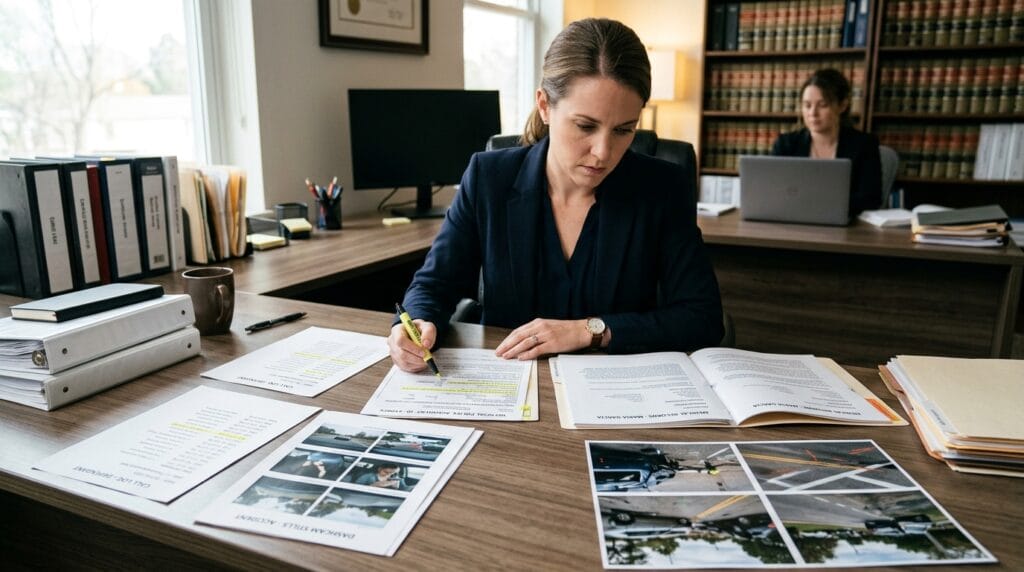
Digital evidence can disappear fast. Businesses may delete surveillance footage. Dashcams may overwrite clips. App companies may limit access to records. Vehicle data may change after repairs or software updates.
That is why early action matters. A preservation letter can ask a driver, company, business, or insurer to save evidence. In serious cases, this step may protect the proof that shows distraction caused the crash.
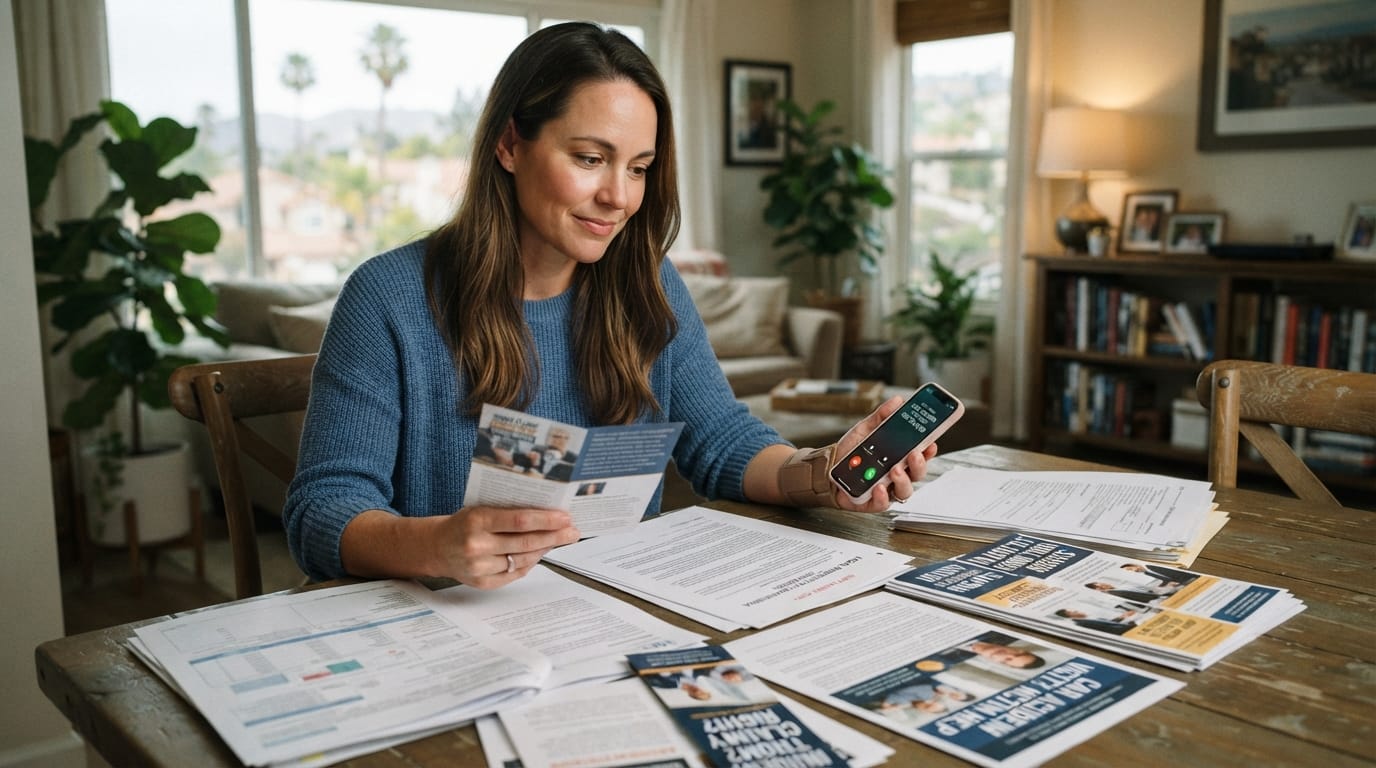
Injured people should also keep their own records. Save medical bills, discharge papers, photos, repair estimates, missed-work notes, and insurance letters. Keep a simple injury journal. Write down pain levels, appointments, sleep problems, work limits, and daily struggles.
For more general claim guidance, visit the site’s car accident articles and personal injury guides. If the crash involved a severe head-on or freeway event, the post on wrong-way crashes in Orange County also explains why fast evidence collection matters.
Final takeaway: Distracted driving claims in Orange County depend on proof. A driver may deny phone use, app use, or screen distraction. Evidence can tell a different story. Get medical care, report the crash, document the scene, identify cameras, preserve digital records, and review every possible source of fault before accepting a quick insurance offer.