
An Orange County dog bite injury claim can become serious very quickly. A dog bite may look small at first. Then swelling, infection, nerve pain, scarring, or emotional trauma may appear. Some victims need stitches, antibiotics, surgery, therapy, or long-term scar care.
Dog bites can happen almost anywhere in Orange County. A victim may get attacked at a home, apartment complex, park, beach path, sidewalk, rental property, business, school area, or delivery route. Children face special risk because they may not understand a dog’s warning signs. Older adults may also suffer serious harm after a fall during an attack.
Dog bite cases are also getting more attention in 2026. The U.S. Postal Service reported that postal employees suffered more than 5,200 dog attacks in 2025. Triple-I also reported that insurers paid $1.86 billion for dog-related injury claims in 2025. Those numbers show why dog bite prevention and injury claims remain major issues.
For victims, the key question is direct. Who is legally responsible for the injury? In California, the dog owner may face strict liability. But insurance companies may still dispute the claim. They may argue the victim provoked the dog, entered the property unlawfully, delayed treatment, or exaggerated the injury.
Why an Orange County Dog Bite Injury Claim Can Be Legally Strong
California law gives many dog bite victims a strong starting point. Under California Civil Code section 3342, a dog owner can be liable when a dog bites someone in a public place. The owner may also be liable when the victim was lawfully on private property. Readers can review the official law here: California Civil Code section 3342.
This law matters because the victim usually does not need to prove the dog had bitten someone before. The owner cannot simply say, “My dog was never aggressive before,” and expect the case to disappear. A first bite can still create liability if the facts fit the law.
Still, a strong legal rule does not make every case easy. The victim still needs proof. Medical records, photos, witness details, animal control reports, insurance information, and the attack timeline can all affect the outcome.
A strong Orange County dog bite injury claim should show where the bite happened, who owned the dog, why the victim had the right to be there, what injuries occurred, and how the injury affected daily life.
California strict liability can protect bite victims

Strict liability means the dog owner may be responsible even without proof of careless handling. That rule can help victims who were bitten while walking, visiting a friend, delivering goods, shopping, working lawfully, or spending time in a public area.
However, strict liability usually focuses on bites. Some dog attacks also cause injuries without a bite. For example, a dog may knock someone down, chase a cyclist, or cause a person to fall while running away. Those cases may still support a negligence claim, but the legal theory may differ.
This is why facts matter. A clear bite mark, emergency care record, animal control report, and photos can help support strict liability. If the injury came from a fall or chase, the claim may need more evidence of owner negligence.
Does the dog need a prior bite history?
No. A prior bite history is not required for many California dog bite claims. The owner may still face liability even if the dog had never bitten anyone before. This is one reason victims should not drop the issue just because the owner says the attack was “out of character.”
Prior history can still matter. If neighbors, tenants, delivery workers, or family members warned the owner about aggression, those facts may increase pressure on the claim. Prior growling, lunging, escapes, leash problems, or complaints can show that the risk was not a surprise.
Evidence of prior problems may come from texts, emails, security footage, animal control records, apartment complaints, witness statements, or social media posts. Save this information early before it disappears.
Children often suffer deeper physical and emotional harm
Children can suffer severe dog bite injuries because they are smaller and closer to a dog’s head level. Bites to the face, neck, arm, hand, and scalp can cause lasting damage. A child may also develop fear, nightmares, anxiety, or distress around animals.
The California Department of Public Health warns that parents and caregivers should supervise young children around animals. Children should not assume that every animal wants to play or be touched. CDPH also explains that people should avoid animals that show unwelcoming body language. Readers can review the public health guidance here: California animal bite prevention guidance.
When a child gets bitten, the claim may ask tough questions. Who supervised the child? Who controlled the dog? Did adults ignore warning signs? Was the dog loose, startled, cornered, or allowed near children without care?
Insurance disputes are common after dog attacks
Many dog bite claims involve homeowners insurance, renters insurance, umbrella policies, business insurance, or landlord coverage. The dog owner may not want to share insurance details. They may also say the matter should stay private because everyone knows each other.
Victims should be careful. Medical bills can rise quickly. A friendly promise may not cover emergency care, surgery, lost income, therapy, scar treatment, or future medical needs. Once the injury worsens, the owner may deny responsibility or stop responding.
Insurance companies may also challenge the case. They may argue the victim provoked the dog. They may claim the victim ignored warning signs. They may say the injury healed quickly. They may also question whether the victim had the right to be on the property.
For broader claim guidance, readers can visit the site’s step-by-step guide to filing a personal injury claim in Orange County.
Homeowners and renters policies may matter
Insurance coverage can shape settlement value. A serious dog bite may involve medical bills, lost wages, pain and suffering, emotional distress, future scar care, and permanent disfigurement. Without coverage, the victim may need to review other recovery options.
Some insurance policies exclude certain dogs, business-related incidents, intentional conduct, or injuries caused by dogs outside the home. Others may still cover the claim. The policy language matters.
Do not rely on the dog owner’s opinion about coverage. They may not understand their policy. An attorney can help identify possible coverage sources and ask the right questions before evidence disappears.
How to Protect an Orange County Dog Bite Injury Claim

After a dog bite, get away from the animal first. Then seek medical care. Dog bites can push bacteria deep into the skin. Even a small puncture can lead to infection. Deep bites may damage tendons, nerves, muscles, or joints.
Orange County Animal Care says people must report any bite or scratch from a domestic or wild animal. It also provides a bite reporting form and rabies control contact information. Readers can review the local reporting page here: OC Animal Care animal bite reporting.
Reporting does more than create a legal record. It also helps officials review rabies risk and quarantine requirements. OC Animal Care explains that a domestic animal involved in a bite or tooth-related scratch must go through a 10-day quarantine process.
Victims should also document everything. Take photos of the wound right away. Keep taking photos as bruising, swelling, stitches, scabbing, and scarring develop. Save damaged clothing, medical records, prescriptions, receipts, and messages from the dog owner.
Evidence can decide the value of the case
A strong Orange County dog bite injury claim needs proof of both liability and damages. Useful evidence includes photos, witness names, animal control reports, medical records, police reports, security video, doorbell camera footage, and insurance details.
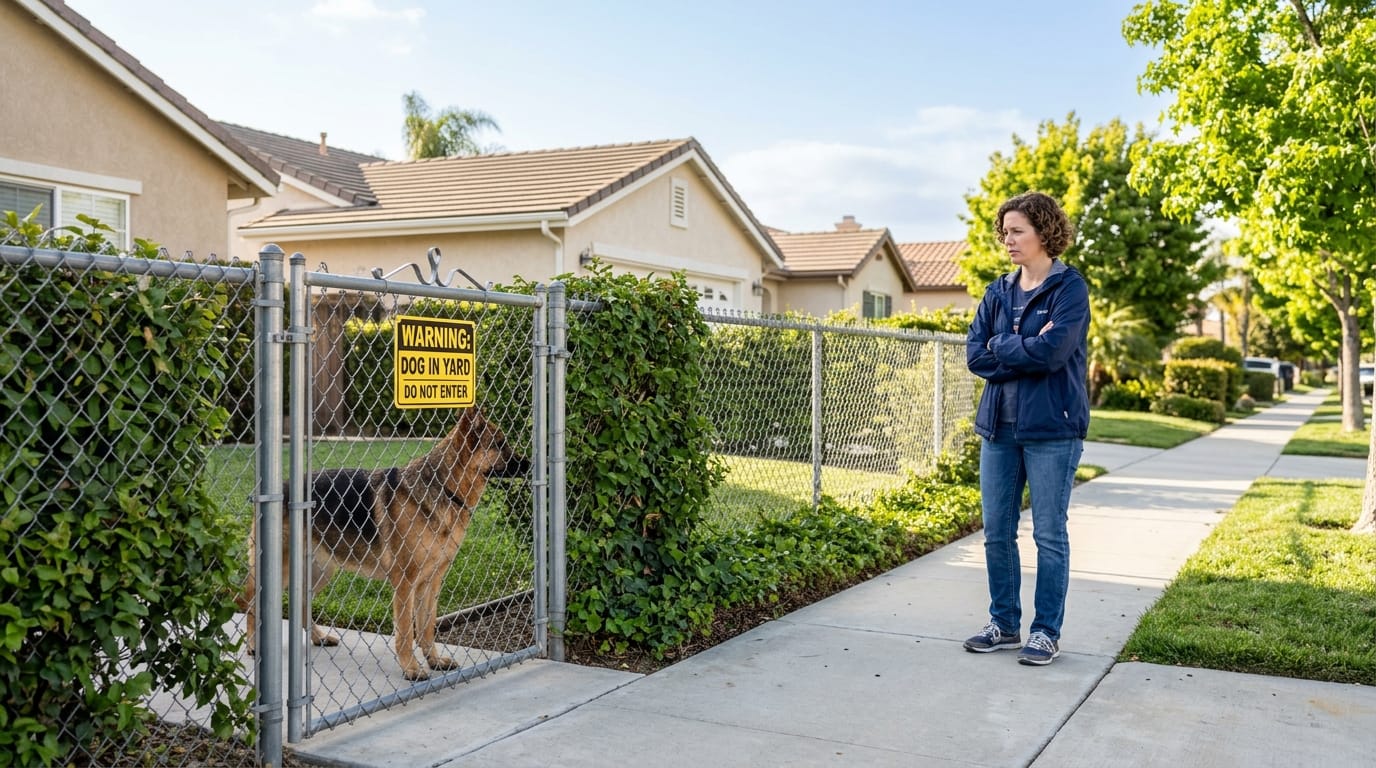
Scene evidence also matters. Was the dog loose? Was a gate open? Did a leash break? Was the dog behind a fence? Did the owner ignore warning signs? Did the attack happen in a shared apartment area, business, park, or sidewalk?
Technology can help too. Doorbell cameras, security systems, phone videos, delivery photos, and smart home devices may show the attack or the dog’s behavior before the bite. Your site already has a related article about AI evidence and smart devices in Orange County personal injury cases.
If the attack happened on unsafe property, premises liability may also matter. For example, a broken gate, poor fencing, ignored tenant complaints, or a loose dog in a shared space can raise property safety issues. Readers can also review the site’s Orange County premises liability and slip-and-fall guide.
Do not accept a quick settlement before scars and future care are clear
A fast settlement may look helpful after a bite. It may not be enough. Dog bite injuries can change over time. Scars may become more visible. Nerve pain may continue. Infection may require more care. A child may need future scar revision or counseling.
Before signing anything, review the full damage picture. Medical bills, future treatment, missed work, pain and suffering, emotional distress, scarring, disfigurement, and therapy may all affect value.
Do not give a recorded statement without preparation. Avoid guessing about fault, distance, warning signs, or the dog’s behavior. Insurance adjusters may use casual comments against the victim.
A dog bite can leave more than a physical wound. It can create fear, pain, medical debt, lost income, and visible reminders of the attack. A victim should not carry those losses alone when the law gives them rights.
If you or your child suffered a dog bite in Orange County, act quickly. Get medical care, report the bite, preserve evidence, avoid rushed insurance calls, and review every possible source of coverage. For more legal information, visit the Orange County personal injury resources or the services page.