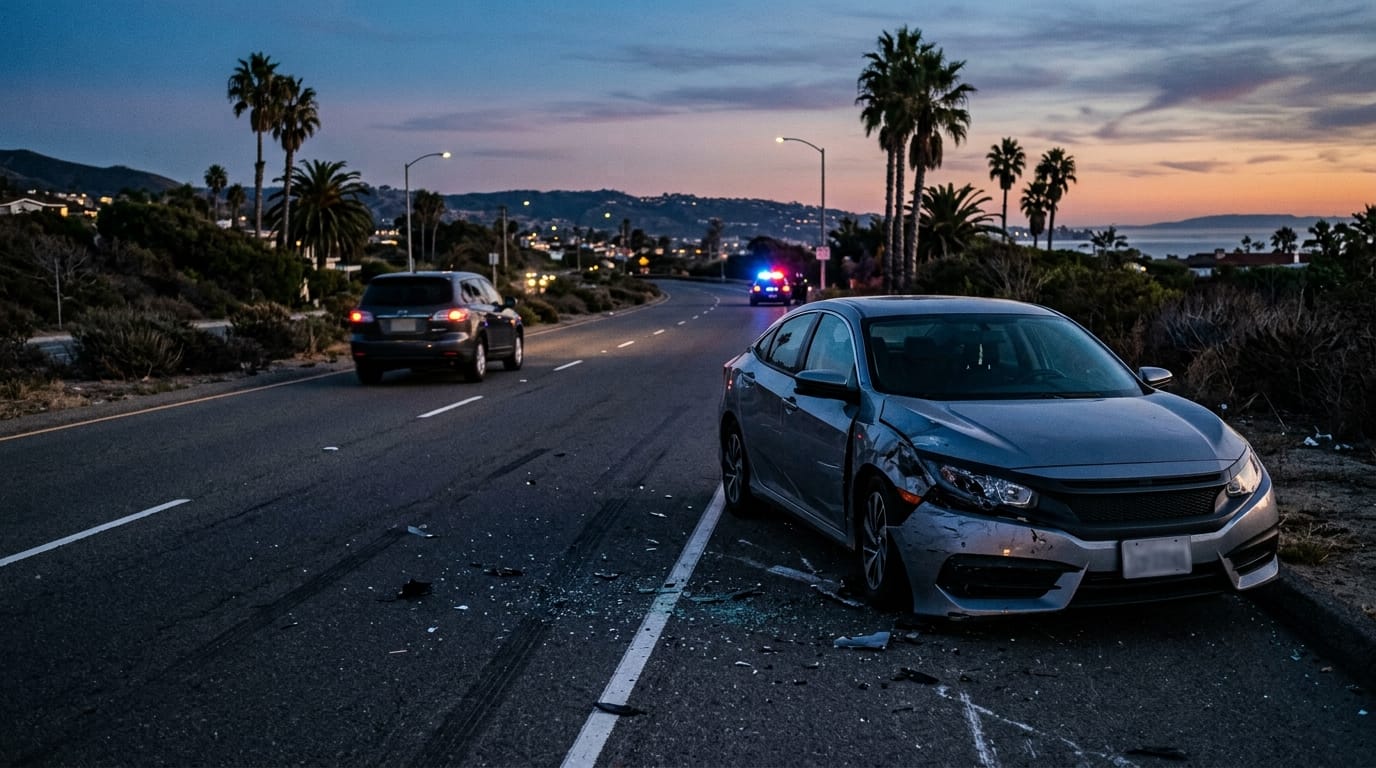
An Orange County distracted driving accident can happen in seconds. A driver may glance at a phone, adjust navigation, read a message, or reach for something in the car. That short distraction can cause a rear-end crash, intersection collision, pedestrian injury, motorcycle crash, or multi-vehicle wreck.
Distracted driving remains a serious issue in 2026. Phones are not the only problem. Drivers may also use in-car screens, food, music controls, maps, delivery apps, or rideshare apps. Anything that takes the driver’s eyes, hands, or mind away from the road can create danger.
An Orange County distracted driving accident can also become hard to prove. The at-fault driver may deny using a phone. The insurance company may call it a simple mistake. That is why evidence matters. Phone records, dashcam video, witness statements, vehicle data, and police reports can help show what really happened.
Why Distracted Driving Claims Are Trending in Orange County
Orange County roads can be busy and fast-moving. Drivers deal with freeway traffic, beach traffic, school zones, shopping centers, rideshare pickups, delivery routes, and daily commuter pressure. These conditions already require attention. When a driver looks away, the risk increases quickly.
A distracted driver may fail to notice stopped traffic. They may drift into another lane. They may miss a red light, turn without checking, or hit a pedestrian in a crosswalk. These crashes often look sudden, but the cause may start several seconds before impact.
Phone Use Can Support a Negligence Claim
California has hands-free driving laws. Drivers generally may not hold and use a phone while operating a vehicle. A citation can help support a claim, but it does not tell the whole story. A victim still needs proof of injuries, damages, and how the crash happened.
In an Orange County distracted driving accident, phone evidence may show calls, texts, app activity, or screen use near the time of impact. App records may matter in delivery, rideshare, or navigation-related crashes. Vehicle data may also show late braking, speed, or steering movement.
Not every case needs deep digital evidence. A minor crash may rely on photos, statements, and medical records. A serious injury claim needs more. If the victim suffers a fracture, brain injury, spinal injury, surgery, or long-term pain, the investigation should go deeper.
Distracted Driving Is More Than Texting
Many drivers think distracted driving only means texting. That is wrong. A driver can become distracted by eating, adjusting music, checking GPS, using voice commands, talking to passengers, or searching for an item. Even a hands-free device can distract the mind.
This matters because insurance companies may focus only on whether the driver held a phone. That question is important, but it is not the only issue. The real question is whether the driver paid enough attention to the road.
A driver who never brakes before impact may have been distracted. A driver who crosses lane markings may have been distracted. A driver who hits a stopped vehicle in clear traffic may also raise the same concern.
CHP Enforcement Can Make the Topic More Relevant
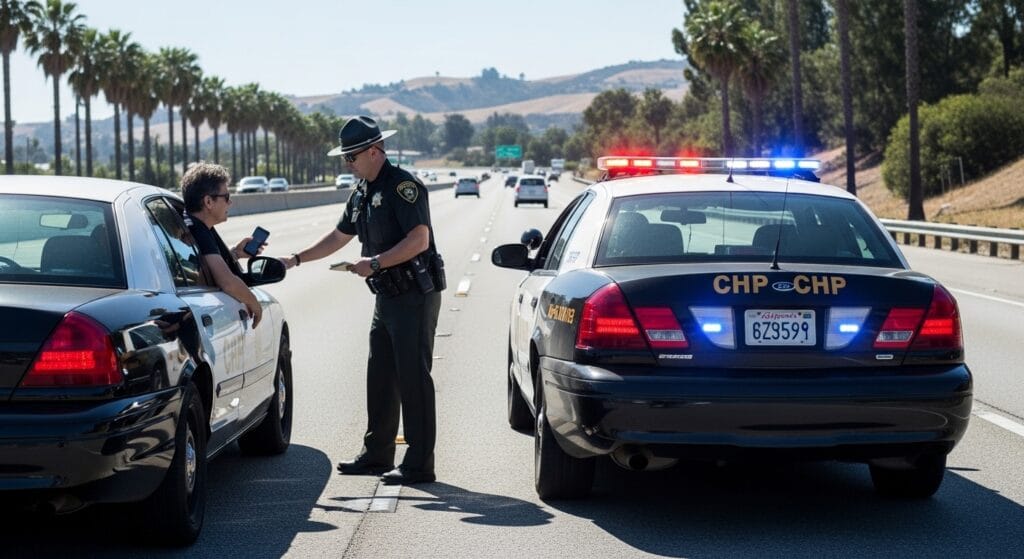
California enforcement keeps distracted driving in the news. CHP continues to warn drivers about the hands-free law and the danger of phone use behind the wheel. These public safety campaigns increase awareness, but crashes still happen.
For Orange County injury victims, enforcement trends can help explain why the issue matters. A distracted driving citation may support the victim’s side. However, lack of a citation does not mean the driver was careful. Police may not see every phone, app, or screen involved.
That is why victims should not rely only on the traffic ticket. The claim should also review witness statements, video, vehicle damage, crash angle, road conditions, and medical records.
Insurance Companies May Downplay Distraction
Insurance companies often try to reduce payouts. They may argue that distraction did not cause the crash. They may say the victim stopped suddenly, crossed too fast, changed lanes, or had pre-existing injuries. These arguments can reduce the value of a claim if no one challenges them.
A strong claim uses facts. Photos can show impact points. Video can show driver behavior. Medical records can show injury timing. Witnesses can explain what they saw before the crash. Together, these details can push back against weak insurance defenses.
How to Protect an Orange County Distracted Driving Accident Claim
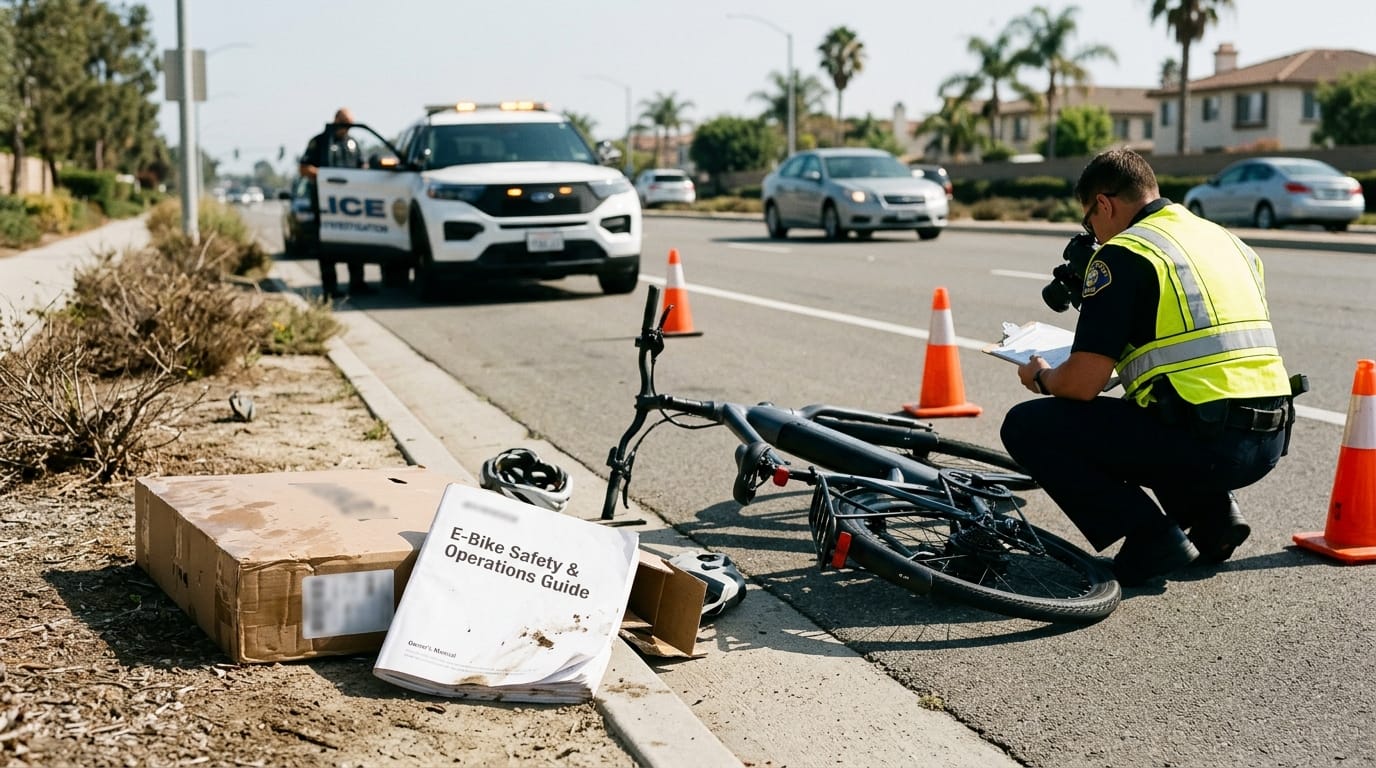
After a crash, victims should focus on safety and medical care first. Call 911 if anyone is hurt. Move to a safe place if possible. Then start preserving evidence. Small details can become important later.
Take photos of the vehicles, roadway, traffic signals, skid marks, debris, license plates, and visible injuries. If witnesses stopped, get their names and phone numbers. If the other driver admitted they were looking at a phone, write that down as soon as possible.
Save Digital and Scene Evidence Quickly
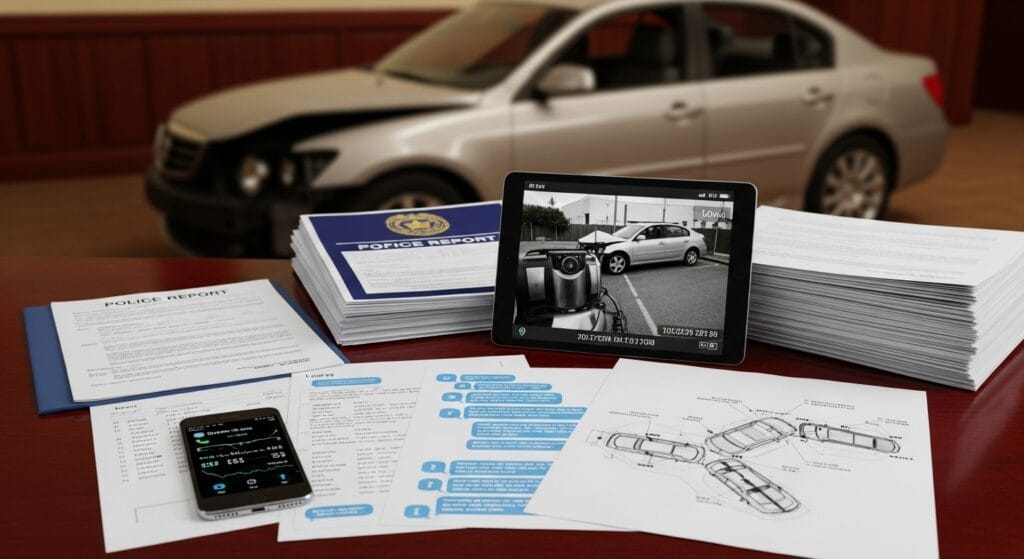
Digital evidence can disappear. Dashcams may overwrite video. Businesses may delete security footage. Rideshare and delivery records may require formal requests. Phones may get repaired, replaced, or reset.
Victims should identify nearby cameras early. Look for stores, gas stations, apartments, homes, buses, trucks, and parked cars with cameras. Ask witnesses whether they recorded anything. Also keep your own photos, messages, repair estimates, and medical paperwork in one folder.
Police reports can help, but they may not include every detail. A report may list the parties, location, statements, injuries, and citations. It may not preserve private video or phone data. Serious injury cases often need additional investigation.
Medical Records Help Prove Damages
Fault evidence is only one part of the claim. Medical proof is just as important. A victim should get checked after the crash, even if pain seems mild at first. Neck pain, back pain, headaches, dizziness, numbness, and shoulder pain can worsen over time.
Medical records connect the injuries to the collision. They also show treatment needs, pain levels, work restrictions, therapy, and future care. Keep emergency records, imaging results, prescriptions, referrals, receipts, mileage logs, and missed work records.
This article connects naturally with the site’s Orange County car accident resources. It also supports the post on higher California auto insurance minimums, because serious distracted-driving injuries can exceed basic policy limits.
Be Careful Before Talking to the Insurance Company
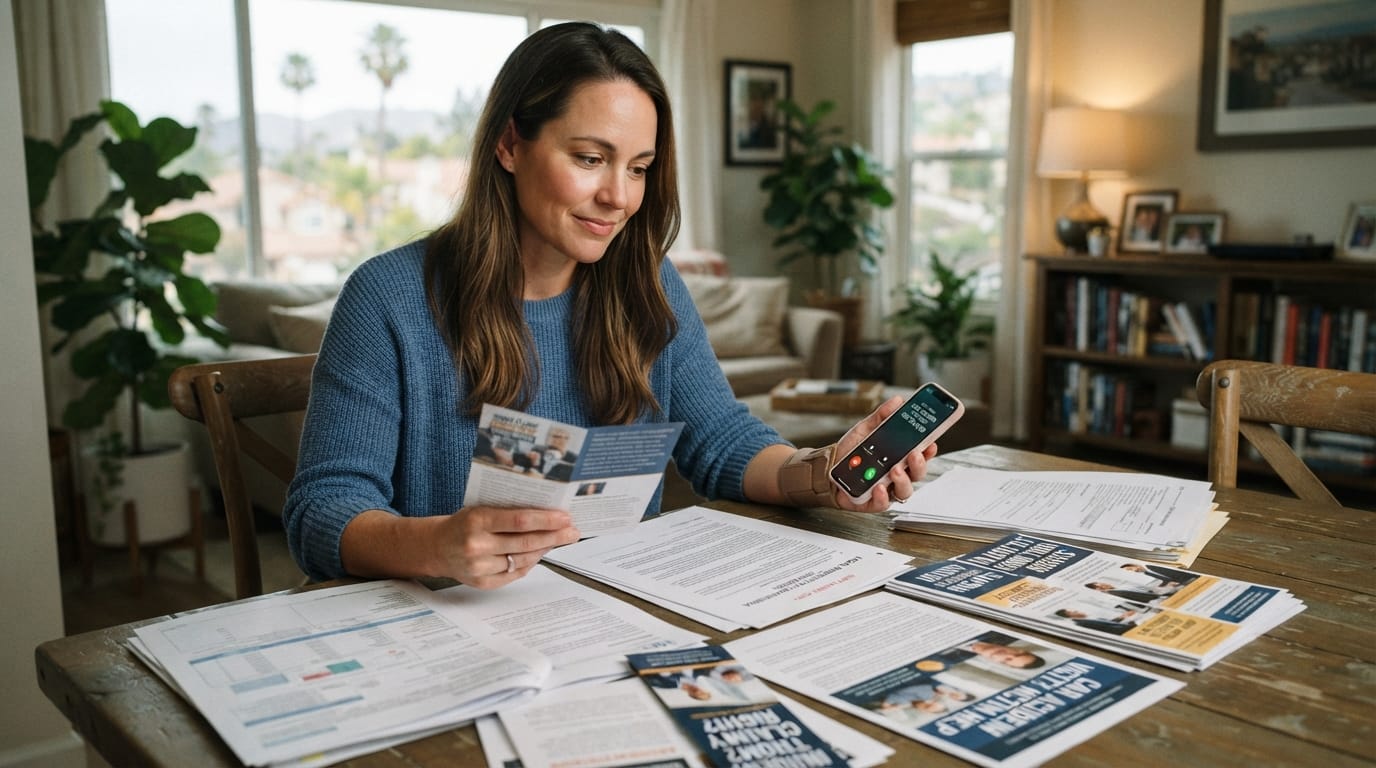
Insurance adjusters may call quickly. May sound helpful, but they still work for the insurance company. Ask for a recorded statement. They may also ask questions that make the victim guess about speed, distance, fault, or injury severity.
Do not guess. Do not say you are fine if symptoms are still developing. Do not admit partial fault just to be polite. A simple phrase can appear later in the claim file and hurt the case.
An Orange County distracted driving accident may involve more than one responsible party. The driver may hold liability. A vehicle owner, employer, rideshare company, delivery company, or commercial fleet may also matter if the driver acted within work duties.
Some cases may also involve advanced vehicle technology. If driver-assist features, rideshare systems, or automated driving tools played a role, the claim may need a more technical review. Readers can learn more from the site’s article on California robotaxi injury claims in 2026.
Distracted driving can also make severe crashes worse. A driver who looks down may enter the wrong lane, miss warning signs, or fail to react until impact. For serious head-on crash issues, readers can review the guide on wrong-way crashes in Orange County.
The bottom line is simple. Distracted driving is preventable. Drivers must watch the road, keep control of the vehicle, and avoid phone use behind the wheel. When they fail to do that, injured people should not have to carry the cost alone.
An Orange County distracted driving accident claim should focus on driver attention, phone evidence, video footage, witness statements, crash details, medical records, and insurance coverage. With strong proof, victims can challenge unfair blame and pursue compensation for the harm caused by a distracted driver.
For additional authority, readers can review NHTSA’s distracted driving data and the California Highway Patrol’s distracted driving reminder.