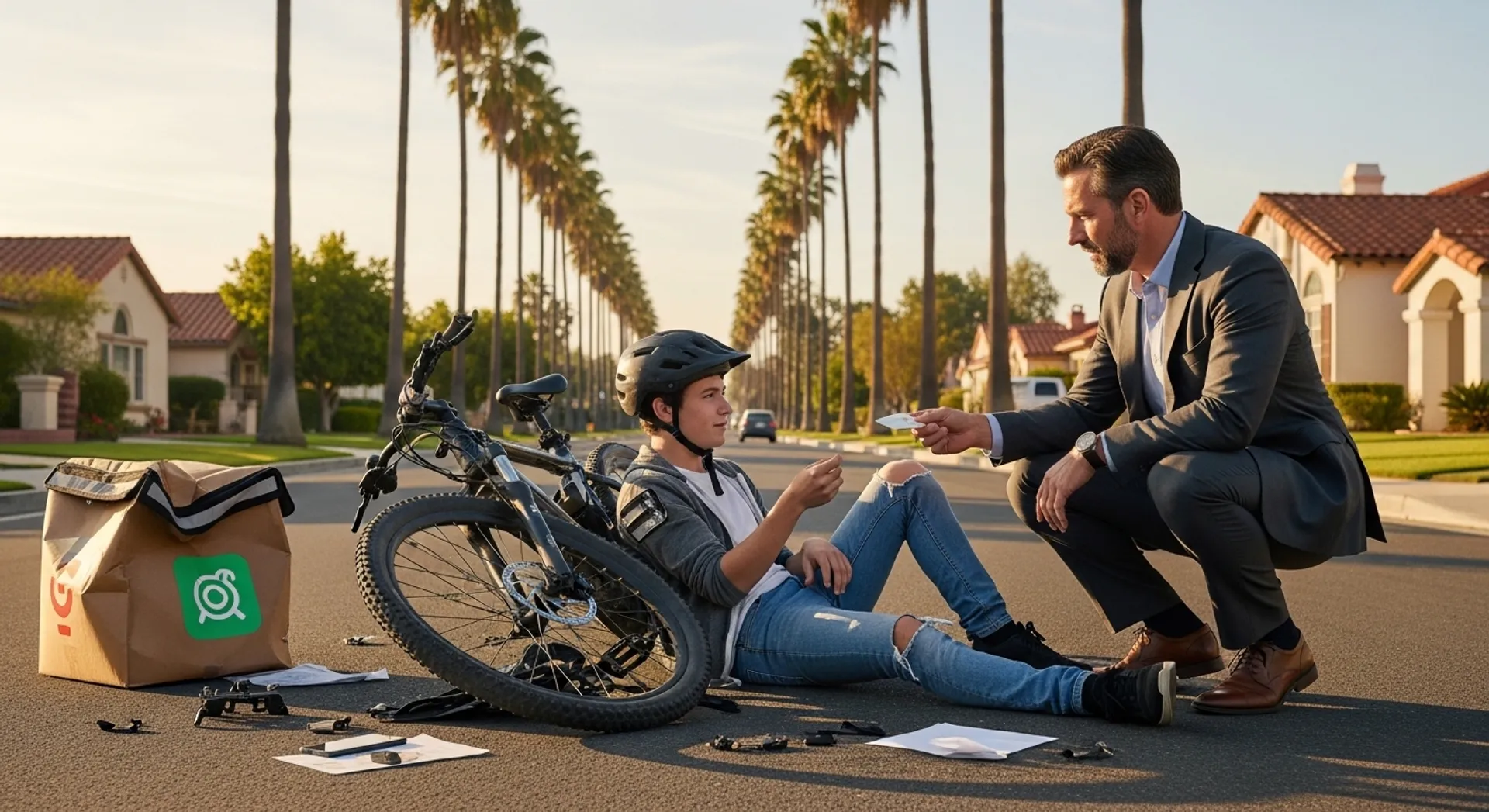

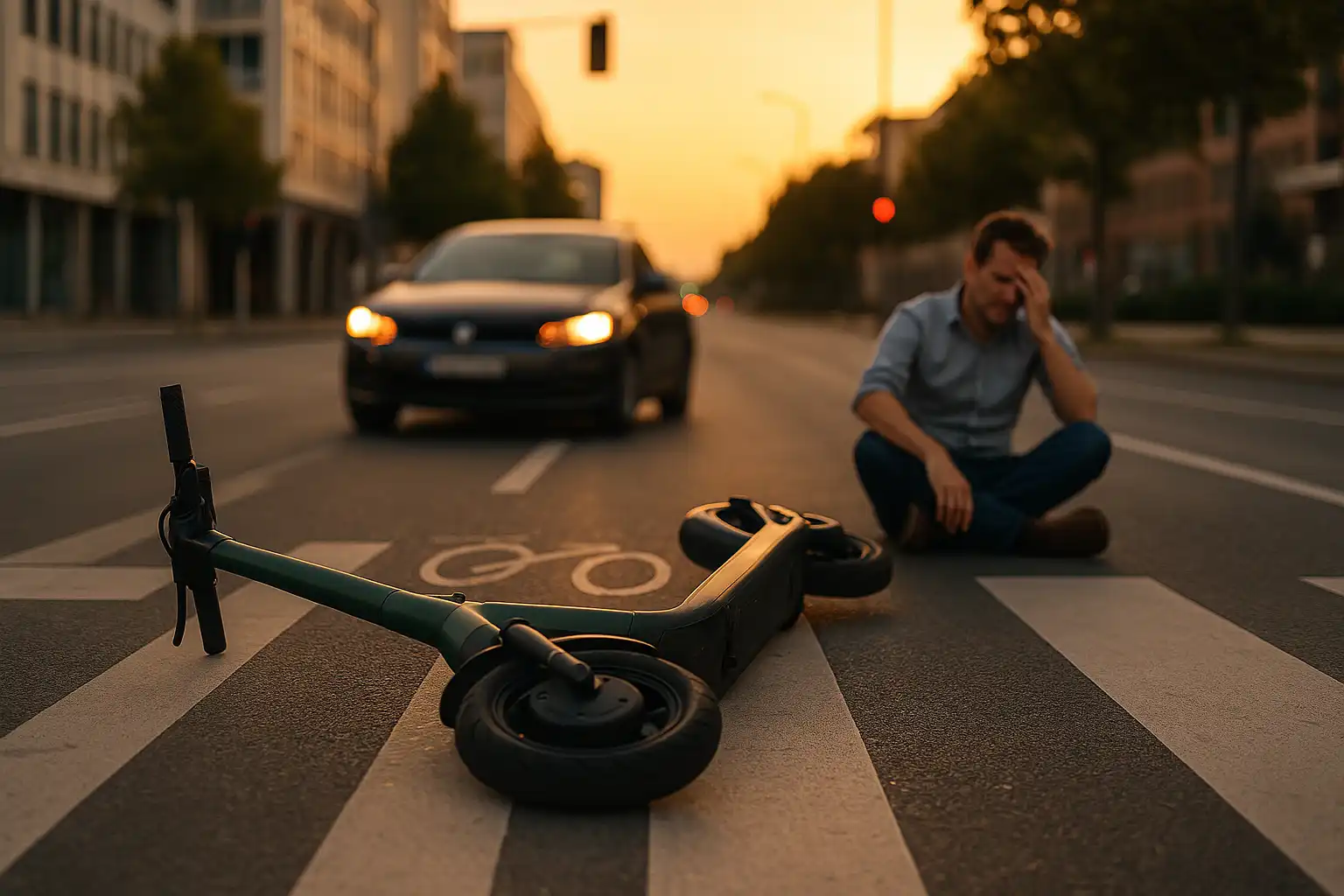
E-bikes are now part of daily life across Orange County. Teens use them to get to school, meet friends, commute short distances, and move around neighborhoods without depending on a car. That convenience has a downside. As e-bike use has grown, so have serious crashes involving minors. For families, these cases are not just about scraped knees or damaged bikes. They can involve traumatic injuries, insurance disputes, questions about supervision, and real legal exposure for parents.
That is why this topic matters right now. Orange County has been dealing with increasing concern over youth e-bike crashes, and local officials have been vocal about the risks. Cities in the county have also been tightening local rules, while California’s 2026 e-bike safety changes added more pressure on families to understand what is legal and what is not. If a child or teenager is injured in an e-bike accident, the legal issues can get complicated fast.
If your family is dealing with a juvenile e-bike crash in Orange County, here is what you need to know about liability, compensation, and the new safety environment surrounding these claims.
Why Juvenile E-Bike Accidents Are a Growing Problem in Orange County

Orange County is the kind of place where e-bike use naturally spreads fast. The weather is good, the communities are heavily suburban, and many school routes, shopping areas, and neighborhood streets are close enough for short rides. The problem is that younger riders often do not treat an e-bike like a serious vehicle. Some ride too fast, ignore traffic signals, carry passengers unsafely, or use modified bikes that go well beyond what the law treats as a standard electric bicycle.
That creates a bad mix. Drivers may not expect a child on an e-bike to approach an intersection that quickly. Parents may not realize the bike they bought can create legal issues if it is too powerful or unlawfully modified. And when a crash happens, insurers will immediately start looking for ways to shift fault onto the rider or the family.
What Changed in 2026?
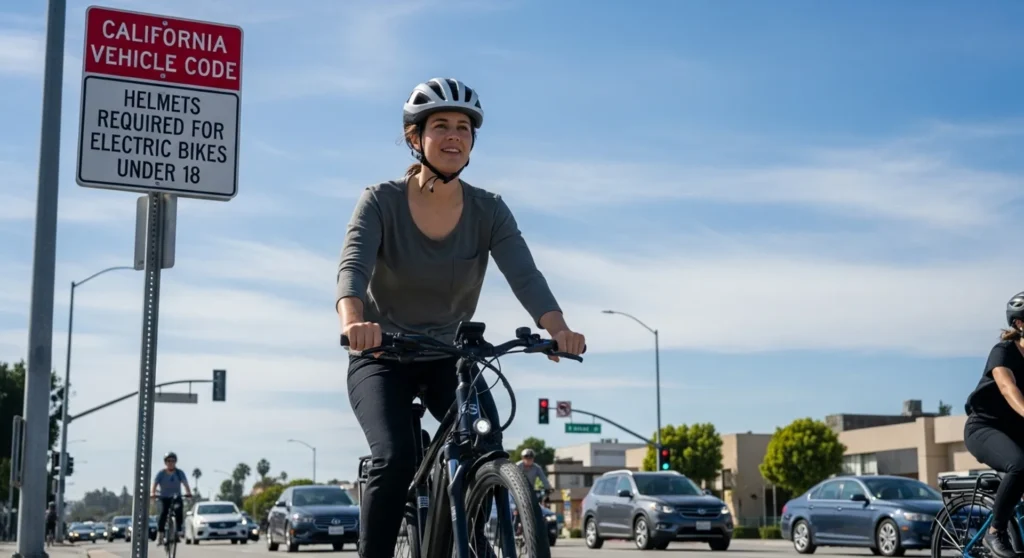
California’s newer e-bike safety rules matter because they affect how a crash claim may be evaluated. In 2026, state law added stronger e-bike equipment and safety requirements, including visibility-related rules, and local governments have continued increasing enforcement against unsafe youth riding. In Orange County, that means an injury claim can now involve not only who caused the crash, but also whether the bike was compliant, whether the rider was legally allowed to operate it, and whether parents ignored known risks.
That does not mean every family automatically loses a claim because a minor was riding an e-bike. It means the facts matter more than ever. A family can still have a strong injury case when a negligent driver, defective bike component, dangerous roadway, or another responsible party caused the crash.
Understanding E-Bike Classes in California
Many people buy an e-bike without knowing that California does not treat all e-bikes the same. In general, the law breaks them into three classes.
Class 1
A pedal-assist e-bike that provides assistance only while pedaling and generally stops assisting at 20 miles per hour.
Class 2
An e-bike that can propel itself with a throttle and is generally limited to 20 miles per hour.
Class 3
A pedal-assist e-bike that can assist up to 28 miles per hour and comes with added restrictions, including helmet requirements and age-related rules.
This is where many legal problems begin. Some families think they bought a normal e-bike when in reality the device may be too fast, modified, mislabeled, or closer to an electric motorcycle. After a crash, those details can become central to liability.
Can Parents Be Liable for a Juvenile E-Bike Crash?
Yes. In some situations, parents or guardians can face legal exposure when a minor is involved in a dangerous e-bike crash. That does not mean every parent is automatically responsible, but it does mean the issue is real and should not be ignored.
In a civil personal injury case, a parent may come under scrutiny if they knowingly allowed a child to ride an unsafe or unlawfully modified bike, ignored prior unsafe riding behavior, or failed to take reasonable steps to address obvious risks. If a minor rider injures another person, that question becomes even more important. If the child is the one who was injured, insurers may still raise supervision and equipment issues as part of their attempt to reduce or deny compensation.
That is why parents should take these cases seriously from the start. A juvenile e-bike crash is not something you want an insurance company defining before the facts are fully investigated.
Who Can Be Liable in an Orange County E-Bike Accident?
One of the biggest mistakes people make is assuming there is only one responsible party. In reality, an e-bike injury claim can involve several different defendants depending on how the crash happened.
1. A Negligent Driver
A motorist may have failed to yield, turned in front of the rider, changed lanes carelessly, opened a door into the rider’s path, or simply failed to keep a proper lookout.
2. The E-Bike Rider
If the rider ignored traffic laws, traveled at an unsafe speed, rode unpredictably, or used a bike in a way that violated the law, comparative negligence may reduce recovery.
3. A Parent or Guardian
If the rider was a minor, questions about permission, supervision, bike selection, and prior knowledge of risky behavior may all come into play.
4. The Manufacturer or Seller
If the crash involved defective brakes, battery problems, throttle issues, poor labeling, or a bike marketed in a misleading way, a product liability claim may exist.
5. A Government Entity or Property Owner
Unsafe road conditions, poor visibility, broken pavement, confusing signage, or dangerous path design may also contribute to the crash.
Common Injuries in Juvenile E-Bike Accidents
E-bike crashes can cause serious injuries, especially when a child or teenager is thrown into traffic or onto hard pavement. These are not low-impact cases just because the rider is young.
- Concussions and traumatic brain injuries
- Facial and dental injuries
- Broken wrists, arms, and collarbones
- Leg fractures
- Road rash and deep lacerations
- Back and spinal injuries
- Internal injuries in severe collisions
Medical costs can add up quickly. Families may face emergency-room bills, imaging costs, orthopedic treatment, physical therapy, school disruption, and ongoing emotional effects after the crash.
This is a strong spot to add an internal link to Emotional Distress and Mental Health Damages in Orange County Personal Injury Cases.
What To Do After a Juvenile E-Bike Accident
The first steps after the crash can directly affect both the child’s recovery and the strength of the claim.
Get medical treatment immediately
Do not assume the injuries are minor. Head trauma, internal injuries, and orthopedic damage may not be obvious right away.
Call law enforcement
A police report can help preserve facts, witness names, scene details, and initial fault observations.
Take photos and video
Document the e-bike, any involved vehicle, visible injuries, the roadway, lane markings, crosswalks, signage, helmets, damage, and surrounding conditions.
Preserve the e-bike
Do not repair or alter the bike before the case is evaluated. The bike itself may be key evidence if classification, speed capability, or a defect is disputed.
Get witness information
Witnesses often disappear quickly. Neutral accounts can make a major difference.
Be careful with the insurance company
Adjusters often try to frame youth e-bike crashes as “reckless kid” cases before all the evidence is reviewed. That can seriously damage a valid claim.
This section is a natural place to link to How to File a Personal Injury Claim in Orange County: A Step-by-Step Guide.
How Comparative Negligence Affects Compensation
California follows comparative negligence rules. That means an injured person may still recover damages even if they were partly at fault. In an e-bike case, an insurer may argue that the rider was going too fast, crossed unsafely, failed to obey a signal, or did not use required safety equipment. Even if some of that is true, it does not automatically wipe out the claim.
The real issue is whether another party also acted negligently. A driver can still be liable for failing to yield. A manufacturer can still be liable for a dangerous defect. A public entity can still be liable for unsafe roadway conditions. Comparative fault reduces damages based on responsibility. It does not automatically end the case.
This is a strong place to link to Maximizing Compensation in Your Orange County Personal Injury Case: Essential Tips.
Why Early Investigation Matters
These cases get harder with time. Bikes get repaired. Digital purchase records disappear. Witnesses forget what they saw. Road conditions change. If the claim involves a possible defect or unlawful modification, waiting too long can seriously weaken the case.
An early investigation can help determine whether the bike was compliant, whether the rider was using it lawfully, whether a driver violated traffic rules, and whether the family is dealing with a straightforward negligence case or a more complicated product or supervision issue.
If your site wants to connect the article to its technology content, this is a natural place to add a link to How AI Evidence and Smart Devices Are Transforming Personal Injury Cases in Orange County.
Final Thoughts
Juvenile e-bike accidents in Orange County are getting more attention for a reason. The bikes are faster, the injuries are often more severe than people expect, and parents are being pulled more directly into the legal conversation. At the same time, California’s 2026 safety changes and local Orange County enforcement trends mean these claims now involve more than just who hit whom.
If your child was injured in an e-bike accident, or your family is facing a claim involving a juvenile rider, do not treat it like a simple bike mishap. Preserve the evidence, document the medical treatment, and evaluate liability carefully before the insurance company turns a complex case into a one-sided story.
For current official background on California’s newer e-bike safety enforcement, see Huntington Beach’s summary of the new California eBike safety law that took effect on January 1, 2026.